







Search Results for: ingredient transparency
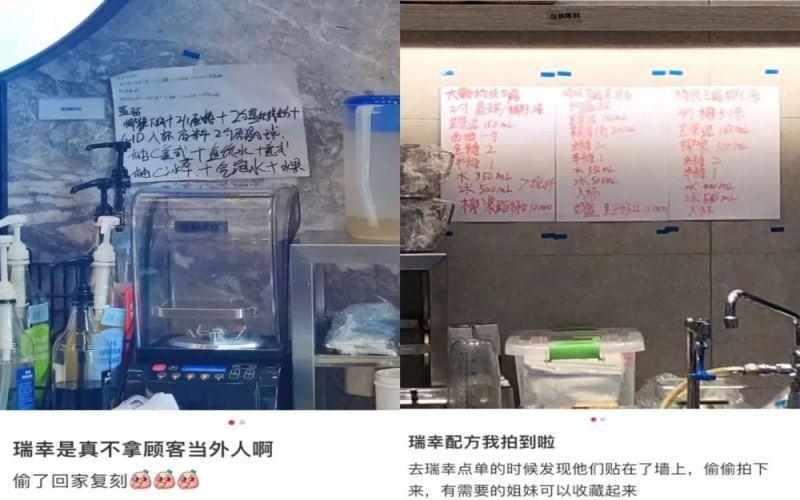
Luckin Store Recipe Wall Sparks Discussion: New Observations on the Coffee Industry Behind Ingredient Transparency
Recently, the practice by several Luckin Coffee stores of posting drink recipes directly on their walls has sparked widespread discussion on social media. From Blue Diamond Ristretto Ice to Grapefruit C Americano, the detailed ratios of these signature drinks have been made public, allowing consumers to glimpse the internal operating procedures of a chain coffee brand. At the same time, Luckin's transparency regarding ingredient usage has also drawn attention, with raw material products even appearing on online shopping platforms labeled "dedicated for cheese latte." This phenomenon not only reflects the coffee industry's exploration of the balance between standardization and transparency, but also triggers discussion about the relationship between brands and consumers. For coffee enthusiasts, this may be an opportunity to understand how commercial coffee operates and even try to replicate it. Front Street Coffee reminds everyone that when making drinks at home, you can adjust the recipe ratios according to personal taste and enjoy the fun of DIY. [more…]

Unveiling Milk Clarification: Transparent Latte Flavor Test and Complete Brewing Guide
At the 2021 World Coffee in Good Spirits Championship, clarified milk made a stunning appearance, but it has still not entered the coffee market on a large scale, and can only be encountered occasionally in a few specialty coffee shops. How exactly is this "milk," which looks as clear as water, made? And what would a latte made with it taste like? Front Street Coffee decided to conduct an experiment firsthand, starting from the principle of milk clarification, step by step using lemon juice and milk to make transparent milk, then trying three methods respectively—drinking it directly, adding it to espresso, and adding sugar to neutralize the sourness—for a comprehensive review of the true flavor of clarified milk latte. If you are interested in specialty coffee creations and innovative ingredients, this hands-on test record will give you a direct answer. [more…]
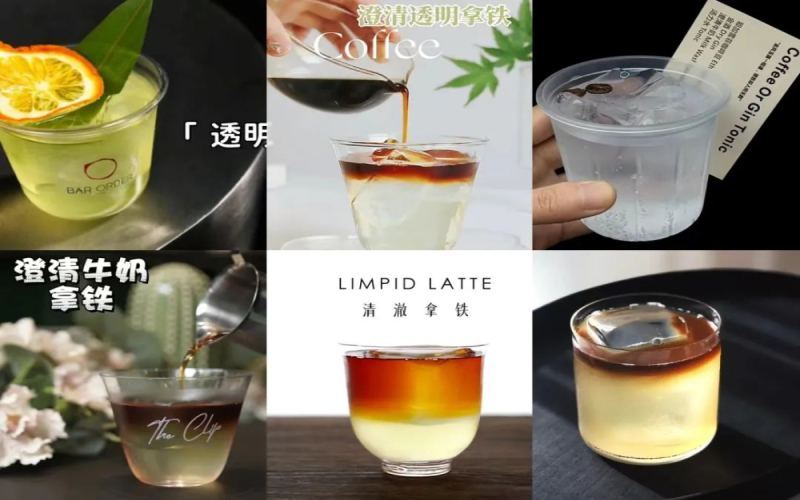
Can Milk Become Transparent? Decoding the Craft, Applications, and Market Prospects of Clarified Coffee
In the past two years, a peculiar category of drinks has emerged in the world of coffee specialties: they clearly contain milk, yet appear crystal clear and transparent—these are clarified coffee and transparent lattes. The clarification technique originated in the cocktail world as "milk washing," and has now been adopted by baristas in the development of creative beverages. This article will start with the principles behind clarified milk, trace its journey into the coffee scene, share a method for recreating it, and objectively analyze whether clarified coffee can become a new trend in the specialty drinks market, while also exploring its challenges regarding cost and scalability. [more…]

Espresso Special Milk-Washed Latte Making Guide: Ingredient Ratios, Step-by-Step Details, and Practical Recipe
Milk washing is a process that involves mixing an acidic ingredient with milk to curdle the casein, then filtering out a transparent milk serum. Thanks to its striking visual presentation and unique mouthfeel, it is used by many coffee shops in the making of specialty coffee drinks. However, although the process is not complicated, there are quite a few details to pay attention to. If you simply add an acidic substance and coffee directly to milk, the resulting clarified liquid is often difficult to drink as is. To make a good-tasting milk-washed coffee, in addition to the basic ingredients, flavoring components such as sugar are needed to balance the acidity, while the choice of coffee beans, the usage ratio, and the steeping time will all significantly affect the final flavor. This article will cover the ingredients, steps, and recipes for milk washing, and share Front Street Coffee's specific recommendations on bean selection. [more…]
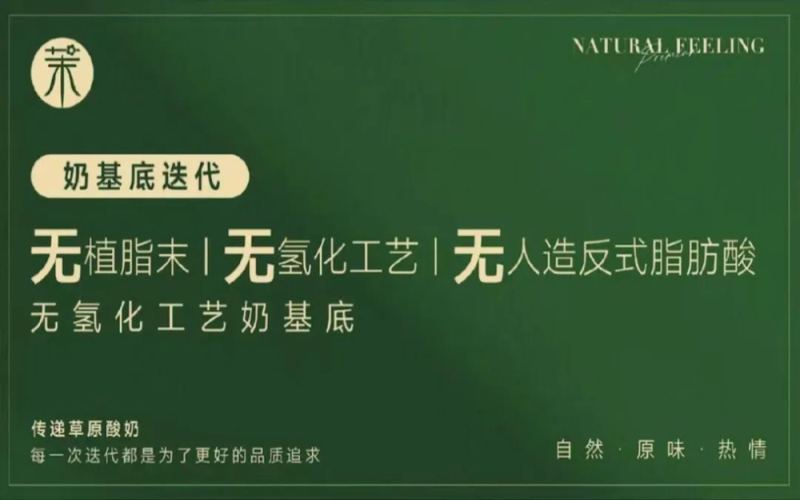
Jasmine Yogurt Base Upgraded and Renewed: Can It Regain Consumer Trust After the Non-Dairy Creamer Controversy?
Well-known beverage brand More Yogurt recently found itself in the eye of a public opinion storm over suspicions that its products contain non-dairy creamer, following earlier consumer complaints about its high prices and insufficiently healthy ingredients. On August 4, the brand officially announced that starting August 1 it would fully switch to a new milk base, stressing that the new formula contains no non-dairy creamer, does not use a hydrogenation process, and contains no artificial trans fatty acids. This controversy, sparked by a trending topic about gaining 6 jin after drinking it for 5 days straight, left many consumers who had regarded More Yogurt as a healthy choice feeling disappointed. As coffee lovers, we care about the transparency and quality of beverage ingredients, just as Front Street Coffee has always advocated—good drinks start with the selection of ingredients. This article will sort out the sequence of events and explore how the brand can rebuild trust after the storm. [more…]
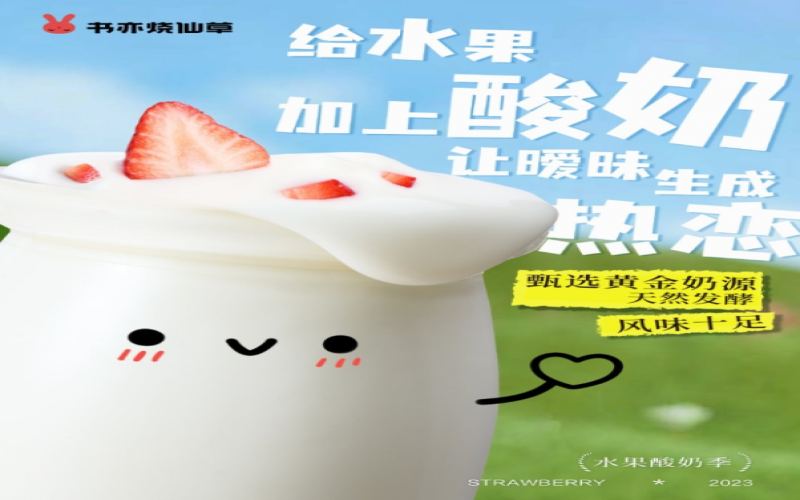
Shanghai Consumer Council Once Again Calls Out Trendy Tea Drinks: Mango Yogurt Smoothie Ingredients of More Yogurt Under Scrutiny
Following the case of Shuyi Burning Grass Jelly, the Shanghai Consumer Council on March 13 once again turned its attention to the internet-famous tea beverage brand More Yogurt, focusing on the ingredient composition of its "Mango Yogurt Smoothie." Testing by the Consumer Council found that the drink contained only a small amount of yogurt yet had unusually high fat content, and despite being labeled as having no added sugar, sucrose and maltose were still detected. The Consumer Council questioned the source of this excess fat and sugar and demanded that More Yogurt explain to consumers "what was added." The incident quickly sparked widespread discussion and trended on Weibo. This article sorts through the testing data and science popularization information released by the Consumer Council to present the full picture of the incident. For readers interested in coffee and beverage industry trends, Front Street Coffee also continues to follow such food safety topics and advocates transparent consumption. [more…]
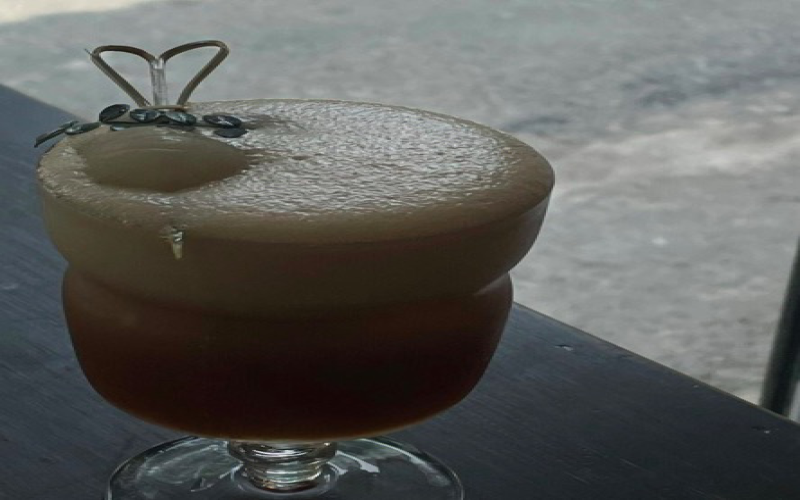
What Should You Do If a Departing Employee Takes Coffee Shop Recipes? Industry Insiders Share Prevention Tips and Mindset Adjustment
Beyond the usual Americanos and lattes, independent coffee shops often offer signature drinks that have been repeatedly refined—recipes that embody the owner's dedication. But when a barista leaves and takes those recipes to their next job, how should owners respond? Some agonize over this, while others believe that recipes have become largely transparent these days and aren't worth overthinking. This article compiles the views and advice of several industry professionals, exploring this common industry dilemma from legal agreements and house-made ingredients to mindset adjustments, and includes related recommendations from Front Street Coffee for coffee lovers and shop owners to reference. [more…]

What is the principle behind milk-washed coffee? How to make a clarified latte with milk and espresso, plus the method and recipe ratios
When most people think of a combination of milk and espresso, the first things that come to mind are classic milk coffees with milk foam, such as lattes and cappuccinos. But the same ingredients, processed with a different method, can take on a completely different appearance and texture. This article introduces a technique called "milk washing"—using the principle that casein coagulates when milk meets acid to remove the fat and protein particles from milk, leaving behind a transparent whey liquid. This time, Front Street Coffee's approach differs from the usual one: during the clarification process, espresso is added directly, so that the entire drink is clarified together, resulting in a "special latte" that looks similar to pour-over coffee but has rich, layered flavors. The article will explain in detail the required materials, recipe ratios, and step-by-step instructions, making it a useful reference for enthusiasts who want to try making specialty coffee at home. [more…]
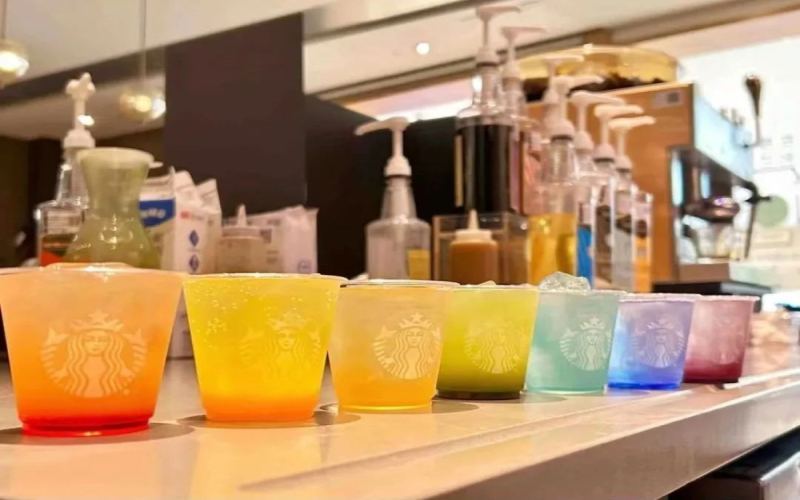
A Starbucks barista's self-created blueberry powder color-changing drink goes viral—stunning looks, but mocked as looking like glass cleaner.
Recently, a batch of stunningly beautiful Starbucks "dreamy new drinks" has emerged on social platforms. In fact, they are all creative beverages mixed by employees themselves using ingredients like blueberry powder. From sky blue to dreamy purple, from healing spirulina blue to the failed "glass water," this wave of color-mixing craze has turned the bar into a palette. Although these secret drink methods are not official products and customers theoretically cannot order them, it does not dampen the creative enthusiasm of coffee lovers at all. This article will take you through the origin, ways to play, and failed attempts of this blueberry powder DIY trend. [more…]

What Is Café Bombón, the Spanish Condensed Milk Espresso? How to Make a Spanish Latte at Home with Recipe Ratios
Many people find coffee's bitterness hard to stomach, so milk, sugar, and condensed milk are often used to balance the flavor—Vietnamese drip coffee is the classic example of condensed milk coffee. But this article is about a regional specialty from Valencia, Spain: Café Bombón. It uses only two ingredients, condensed milk and espresso, and is simple to make, visually appealing with its layers, and tastes sweet, fragrant, and smooth. The Spanish latte offered by chain brands is very likely a derivative of this coffee. Front Street Coffee will break down the meaning of Café Bombón, how it differs from a Spanish latte, and provide specific ingredients, ratios, extraction parameters, and preparation steps, along with recommended Front Street Coffee espresso beans to pair with it, so you can recreate this sweet, rich Spanish-style coffee at home. [more…]
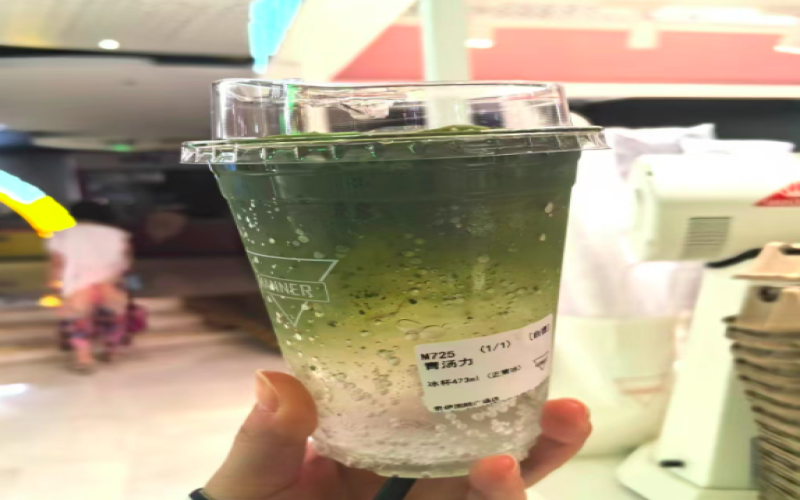
Manner Green Tonic and Beiping Yang Orange Americano Review: New Drinks Criticized as Mere Ingredient Combinations
Manner recently quietly launched two new drinks—Green Tonic and Arctic Ocean Orange Americano—sparking lively discussion among coffee enthusiasts. The Green Tonic is made with tonic water and matcha liquid, featuring an attractive layered look, but its taste is both sour and bitter, described as "the mood of squeezing onto a peak-hour train in 42°C heat." The Arctic Ocean Orange Americano has been criticized for being highly similar to the existing Iced Orange Americano. Some fans complain that the new items are merely rearrangements of existing ingredients, and even calculated that the brand could still make 33 more drinks. Manner has always been known for consistent quality, but these two new items have left some loyal customers disappointed. [more…]
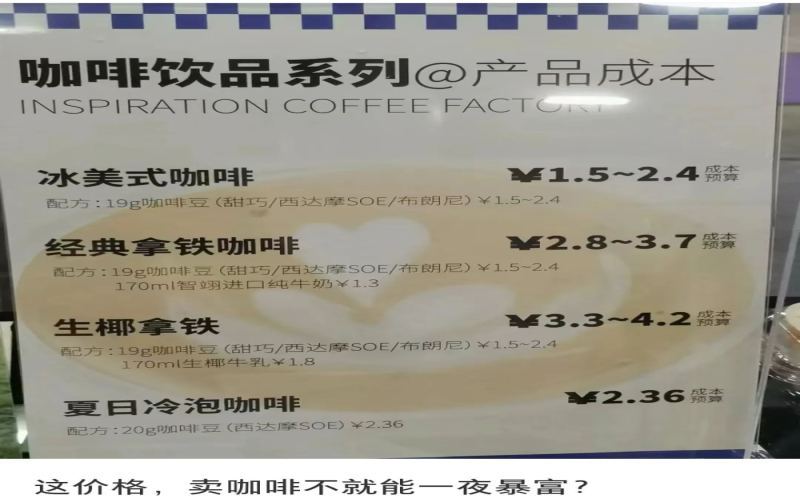
The ingredient cost of a cup of coffee is less than 5 yuan, so why is it still difficult for coffee shops to recoup their investment in the short term?
The ingredient cost of an iced Americano may be only 1.5 yuan, and a coconut latte is just 4.2 yuan. Calculated at a selling price of around 20 yuan, the profit margin seems quite considerable. Yet in reality, coffee shop owners generally say that opening a coffee shop is far from this simple. Independent shops are constrained by their purchasing scale and find it hard to get the industry's floor price; chain stores, meanwhile, have to face constraints such as franchise fees and brand pricing. Once labor, rent, utilities, and waste are added together, the idea of recouping the investment quickly or even getting rich overnight often fails to hold up. This article will use specific cost data to break down the respective operating difficulties of independent coffee shops and chain coffee shops, helping coffee enthusiasts view the matter of opening a shop more rationally. [more…]

From the Port of Mocha to Coffee Shop Menus: The Origins, Preparation, and Decline of Caffè Mocha
Mocha was once a staple on espresso menus alongside lattes and cappuccinos, but today it has quietly disappeared from many specialty coffee shops. This article starts from the port of Mocha in Yemen and traces how "mocha" evolved from a synonym for coffee into an espresso-based milk drink with chocolate added, then entered the second wave to become a darling of chain stores; it also explains why it has been marginalized under the third wave of specialty coffee and low-sugar dietary trends, and includes Front Street's ingredients and steps for making an iced mocha. [more…]

A Complete Guide to Common Coffee Types in Cafés: From Espresso to Cold Brew, the Differences Between Iced Americano, Latte, Piccolo, and Dirty
Walking into a café and facing the dazzling array of coffee names on the menu, have you ever hesitated: what exactly is the difference between an Americano, a Latte, a Dirty, and a Flat White? In fact, these common coffees can be grouped into three major camps—the espresso family, the drip coffee family, and the cold brew family. Espresso-based drinks use espresso as their foundation and, by adjusting the types and proportions of ingredients, have evolved into a rich variety including the Americano, Latte, Cappuccino, Flat White, Dirty, and Mocha; drip coffee, on the other hand, covers pour-over and cold drip, emphasizing clean, transparent layers of flavor; cold brew coffee uses immersion to deliver a full, rich mouthfeel. In this article, Front Street Coffee will guide you through the production logic, key parameters, and flavor characteristics of each category, and share application suggestions for beans such as Front Street Dark Cocoa Blend, Huakui, and Mozart, helping you easily pick the cup you love. [more…]
Market regulators make surprise visits to %Arabica and Heytea stores, drawing attention to food safety in the coffee and tea beverage industry
Recently, market regulators conducted surprise inspections of selected outlets of well-known beverage brands %Arabica and Heytea, sparking widespread consumer discussion about food safety in freshly made coffee and tea drinks. The operation focused on raw material storage, operational standards, and hygiene conditions, with the inspection results revealing that some outlets still have room for improvement in detail management. As coffee lovers, we should not only pay attention to flavor performance but also prioritize the safety and quality of beverages. This article will recount the inspection process and findings, and, in conjunction with the product characteristics of brands such as Front Street Coffee, explore how the industry can uphold the bottom line of food safety amid rapid expansion. [more…]
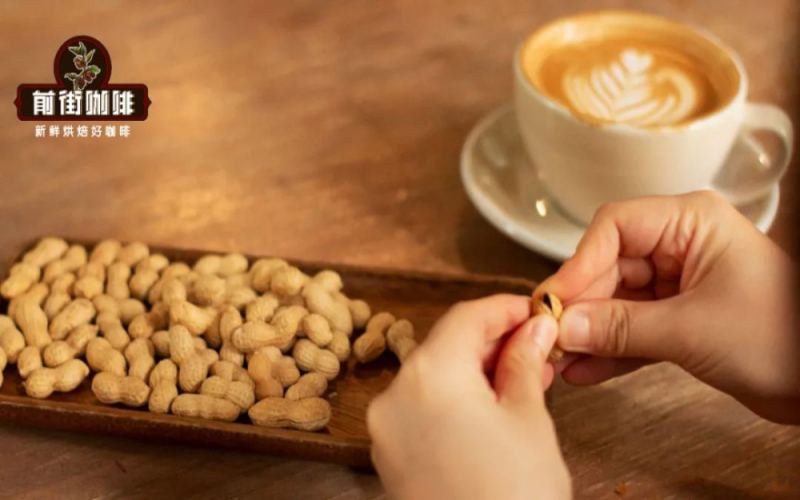
Can Peanut Butter and Coffee Be Paired? A Detailed Guide to Making Peanut Butter Hot Lattes and Iced Lattes
Can peanut butter be combined with coffee? Of course it can, and peanut butter lattes have already been appearing on plenty of coffee menus for quite some time. Today Front Street Coffee is going to talk about this distinctive flavored coffee: from ingredient selection and the ratio of peanut butter to condensed milk, to two different approaches for making it as a cold drink and a hot drink, we'll break it down step by step. The article will also share a key tip — whether peanut butter should be mixed with milk or with espresso, so that you can preserve the milk foam texture without losing the peanut flavor. Coffee lovers who enjoy trying something new might as well follow along and give it a try. [more…]
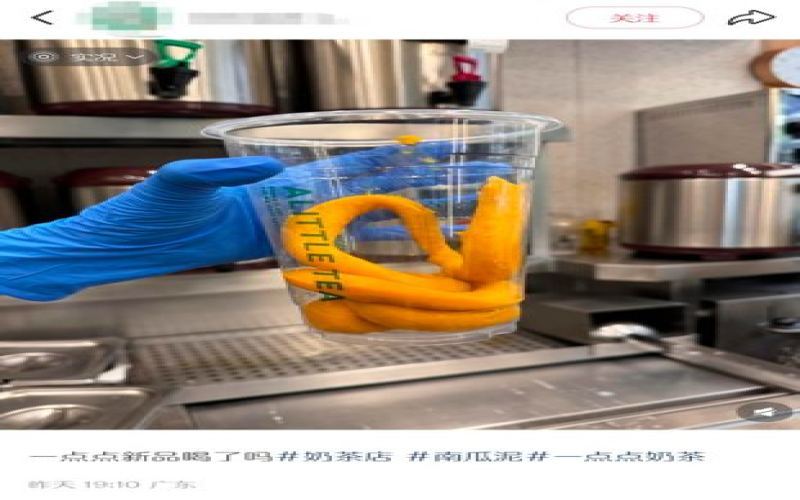
1点点's new Halloween drink "Trick-or-Treat Pumpkin Milk Green" sparks controversy: pumpkin puree appearance and salted egg yolk taste draw complaints
As Halloween approaches, major beverage brands are rolling out festive limited-edition products. 1dian1 recently launched a Halloween drink called "Trick-or-Treat Pumpkin Milk Green," which the company describes as blending Beibei pumpkin puree with salted egg yolk paste made from Mayong duck eggs from Meizhou, Guangdong. However, after a photo of the drink being made on-site circulated online, the winding, coiled shape of the pumpkin puree sparked a strong visual impact and heated discussion among netizens. Some consumers who tried it early also reported that the salted egg yolk flavor was too overpowering, while the pumpkin taste was not prominent, making the mouthfeel resemble lotus seed paste and egg yolk mooncakes. Is this a creative breakthrough or a flavor flop? This article will give you a comprehensive look at the real reviews and the story behind this new Halloween product. [more…]
Freshly Squeezed Orange Juice Meets Espresso: A Complete Guide to the Orange C Americano, Hot and Iced
Orange juice not only helps relieve fatigue, but its refreshing effect is even considered superior to coffee. So what kind of taste experience would combining it with coffee bring? Today, Front Street takes you to recreate at home the Orange C Americano that has swept the country. From choosing the variety for fresh-squeezed orange juice and the extraction parameters for espresso, to the specific steps for both iced and hot versions, we break down the ingredient ratios and production details one by one, helping you make a refreshing specialty drink that has both the rich aroma of coffee and the abundant juice of oranges. [more…]

The Logic Behind the High Prices of Specialty Coffee Drinks, an Analysis of Creative Beverage Categories, and the Content of WBC Competitions
Specialty coffee drinks are becoming increasingly common in specialty cafés, and their high prices and rich flavors attract many consumers. Yet many people, after drinking them, can't taste the coffee at all and even call them "sweet water," which raises the question: why are these specialty drinks so expensive? This article starts from the definition of a specialty drink, sorts out its two main types originating from the WBC creative beverage, analyzes the reasons for the high price, discusses whether a specialty drink is worth it, and shares how to choose Front Street Coffee beans and extraction methods based on flavor pairings when recreating it at home. [more…]
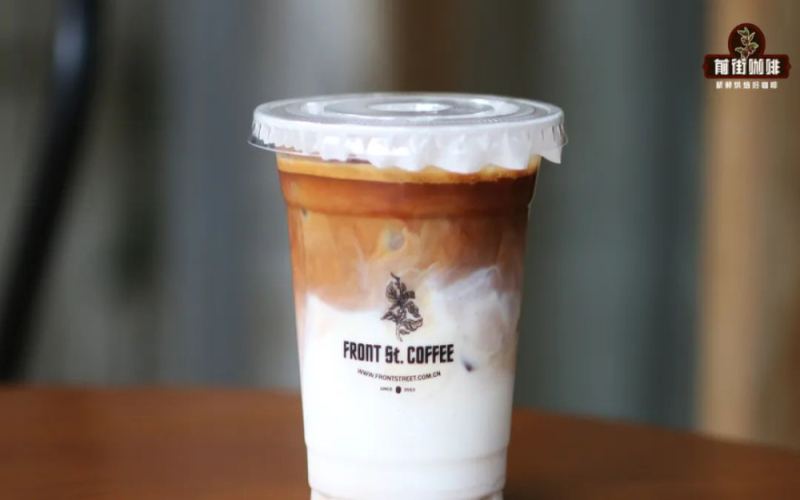
Iced Latte Making Guide: A Full Breakdown of Milk-to-Coffee Ratios, Ice Amounts, and Key Operational Points
Iced latte may seem like it only takes three steps—add ice, pour milk, add coffee—but if you want to make a flavor that rivals a coffee shop's, there are quite a few details involved behind the scenes. This article unfolds from three dimensions—ingredient selection, milk-to-coffee ratio, and technique—explaining how coffee beans and milk influence the final outcome, and provides reference pairing options with specific data. At the same time, the article also analyzes how factors such as espresso extraction quality and ice melting speed affect the taste, helping enthusiasts understand why the same steps can produce iced lattes with noticeably different results. [more…]